How Much Caffeine is in Matcha? The Complete Breakdown
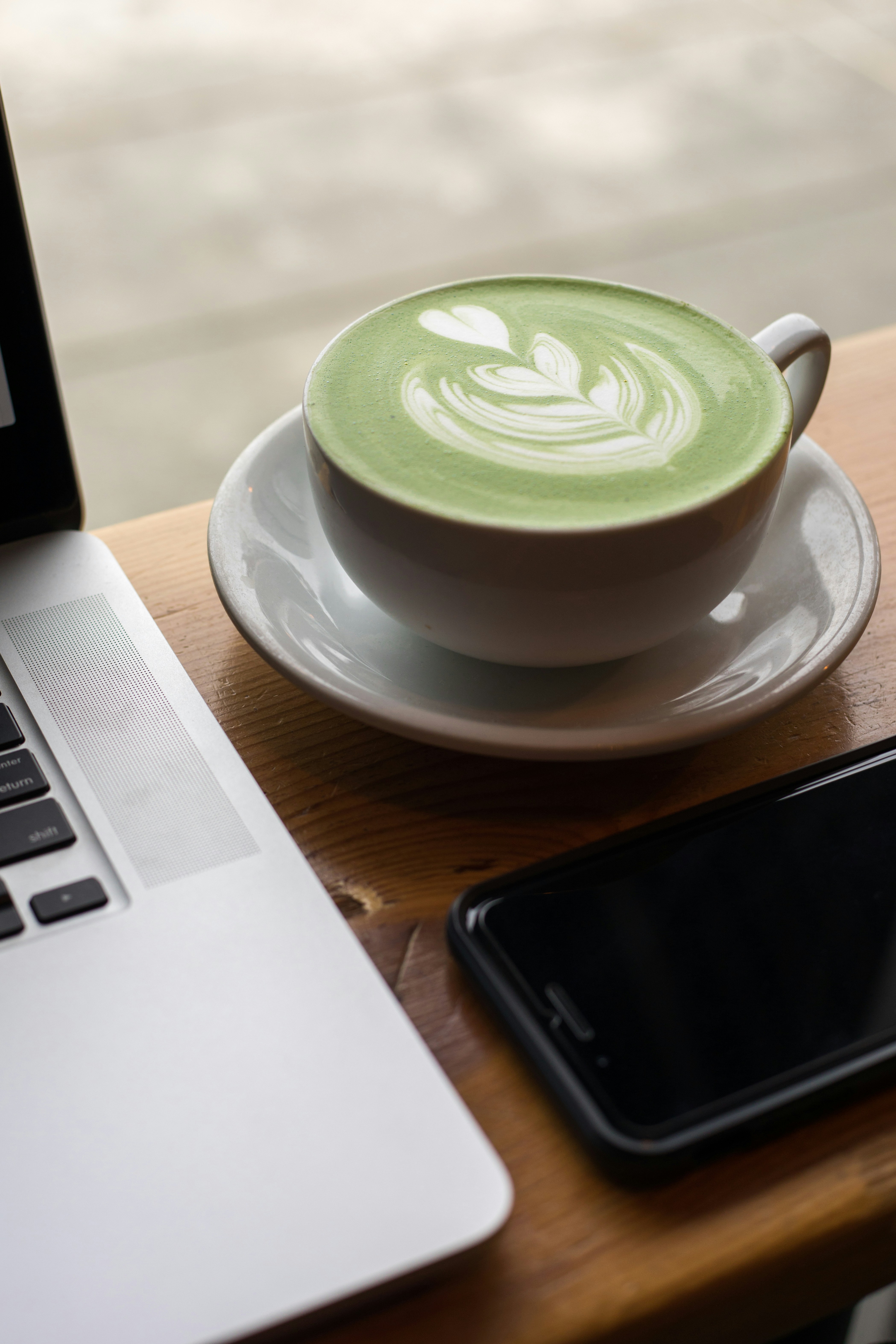
One of the most common questions we hear: "Will matcha keep me up at night?" The answer depends on how much you drink, what grade you use, and — surprisingly — how you prepare it.
The Baseline Numbers
A standard serving of matcha uses 1 to 2 grams of powder (roughly half to one teaspoon) whisked into 60 to 80 ml of water. This delivers:
- Ceremonial grade: 35 to 50 mg of caffeine per gram
- Culinary grade: 25 to 35 mg of caffeine per gram
So a typical bowl of matcha contains 35 to 70 mg of caffeine — comparable to a single shot of espresso (60 to 75 mg) or half a cup of brewed coffee (95 mg).
Why Matcha Feels Different From Coffee
Here is where it gets interesting. Matcha contains roughly the same caffeine as a small coffee, but the experience is completely different. No jitters. No crash. Just smooth, sustained alertness.
The reason is L-theanine, an amino acid found almost exclusively in shade-grown tea. L-theanine crosses the blood-brain barrier and increases alpha brain wave activity — the same brain state associated with meditation and deep focus. At the same time, it slows the absorption of caffeine into the bloodstream.
Research from Nutritional Neuroscience (2008) found that the L-theanine + caffeine combination significantly improved attention, reaction time, and working memory compared to caffeine alone. The effect lasts 3 to 6 hours, versus the 1 to 2 hour spike-and-crash of coffee.
Factors That Affect Caffeine Content
1. Grade of Matcha
Ceremonial grade matcha uses only the youngest, most tender leaves from the first spring harvest. These leaves are higher in caffeine than the older leaves used for culinary grade. If you are sensitive to caffeine, start with culinary grade in lattes — the milk dilutes the caffeine further.
2. Serving Size
Traditional usucha (thin tea) uses 1 to 2 grams. Some modern cafes serve matcha lattes with 3 to 4 grams of powder — effectively doubling the caffeine. Always check how much powder is going into your drink.
3. Water Temperature
Hotter water extracts more caffeine than cooler water — this is well established for tea generally, though the exact percentage varies by preparation and isn't something we'd put a precise number on for matcha specifically. For a gentler lift, use water on the cooler end of the recommended 75–80°C range.
4. Second Whisking
In traditional tea ceremony, a second, weaker bowl (called usucha nibanme) is sometimes prepared from the same powder residue. This second bowl contains noticeably less caffeine than the first, since most of it has already been extracted.
How Does Matcha Compare to Other Caffeinated Drinks?
| Drink | Serving Size | Caffeine (mg) |
|---|---|---|
| Matcha (1g ceremonial) | 1 bowl | 35-50 |
| Matcha (2g ceremonial) | 1 bowl | 70-100 |
| Espresso | 1 shot (30ml) | 60-75 |
| Brewed coffee | 1 cup (240ml) | 95-200 |
| Black tea | 1 cup (240ml) | 40-70 |
| Green tea (steeped) | 1 cup (240ml) | 20-45 |
| Yerba mate | 1 cup (240ml) | 80-150 |
Source: USDA FoodData Central; Mayo Clinic caffeine content reference
Can You Drink Matcha Every Day?
For most healthy adults, the FDA recommends keeping caffeine intake under 400 mg per day. That translates to roughly 4 to 6 bowls of matcha — more than most people drink. If you are pregnant, the recommendation drops to 200 mg per day (2 to 3 bowls).
Source: U.S. FDA, "Spilling the Beans: How Much Caffeine is Too Much?"
If you are caffeine-sensitive, try these strategies:
- Start with 1 gram instead of 2
- Drink matcha before 2 PM to avoid sleep disruption
- Choose culinary grade, which is naturally lower in caffeine
- Pair with food to slow absorption
Bottom line: Matcha delivers a moderate dose of caffeine, but the L-theanine smooths the ride. It is one of the cleanest, most sustainable sources of energy you can drink.