How to Store Matcha So It Stays Fresh
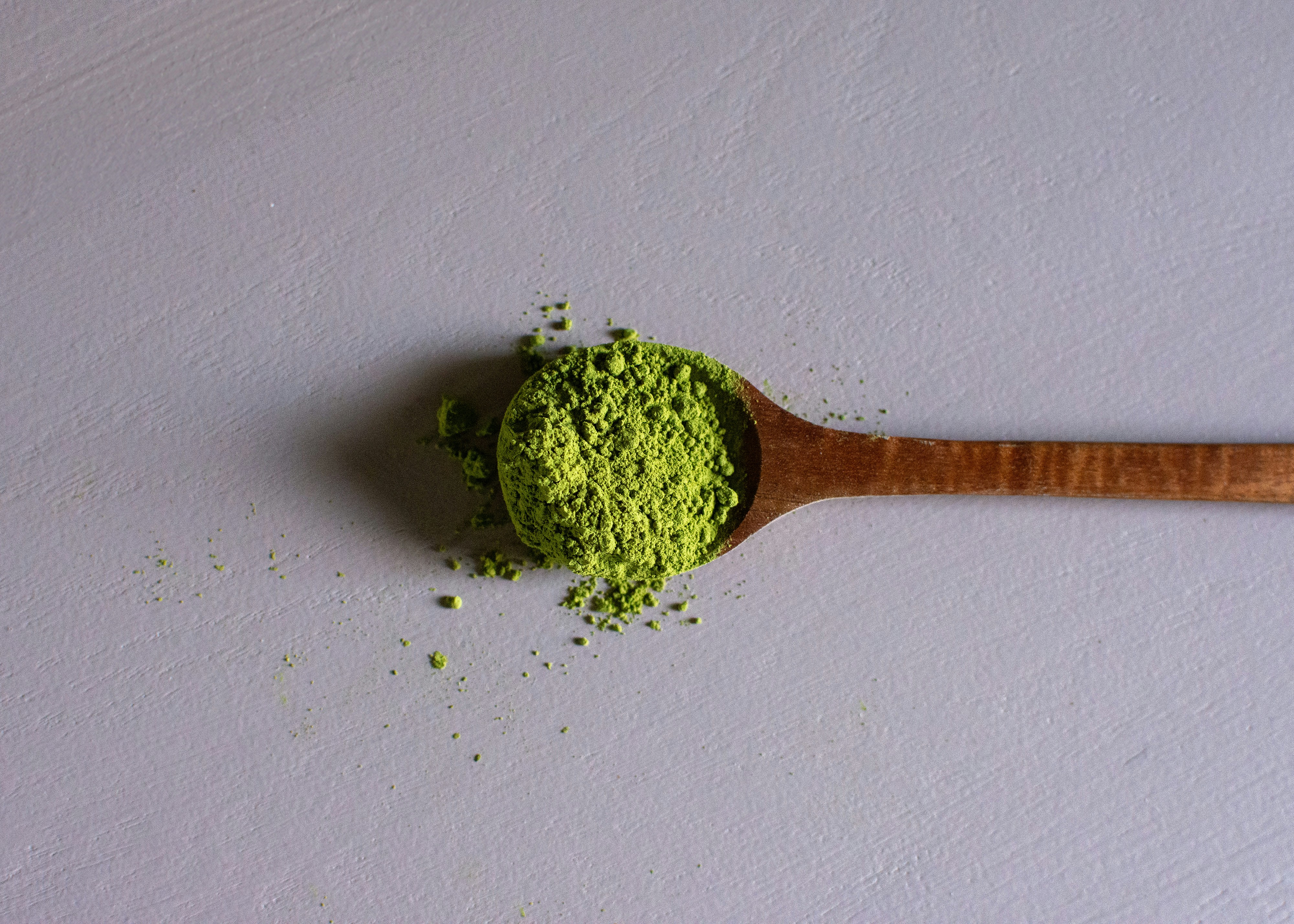
Matcha is delicate. Exposure to light, heat, air, and moisture degrades its flavor, color, and nutritional value within weeks. A poorly stored tin of ceremonial grade matcha can go from vibrant and sweet to dull and bitter in as little as 30 days.
The good news? Proper storage is simple and inexpensive.
The Enemies of Fresh Matcha
1. Light
Chlorophyll — the compound that gives matcha its vivid green color — is highly photosensitive. Direct sunlight or even bright kitchen lighting breaks it down, turning your matcha from jade green to olive brown. Always store matcha in an opaque or dark container.
2. Heat
Heat accelerates oxidation and degrades L-theanine, the amino acid responsible for matcha's signature umami and calm energy. Store matcha below 20 degrees C (68 degrees F). Never keep it near the stove, oven, or in direct sunlight.
3. Air
Oxygen oxidizes the delicate fats and amino acids in matcha, leading to stale, flat flavor. Once you open a tin, the clock starts ticking. Minimize air exposure by using a container with a tight seal and removing as much air as possible before closing.
4. Moisture
Matcha is hygroscopic — it absorbs moisture from the air. Even a small amount of humidity causes clumping and encourages mold growth. Never use a wet spoon. If you live in a humid climate, consider adding a food-safe desiccant packet to the container.
The Best Storage Methods
Method 1: The Pantry (Short-Term)
For matcha you plan to finish within 2 to 4 weeks:
- Keep it in the original tin, tightly sealed
- Store in a cool, dark cupboard away from heat sources
- Use within 4 weeks of opening
Method 2: The Refrigerator (Medium-Term)
For matcha you will use over 1 to 3 months:
- Transfer to an airtight, opaque container
- Place in the refrigerator — not the door, where temperature fluctuates
- Before opening, let the container come to room temperature for 10 minutes to prevent condensation
Critical: Never open cold matcha in a warm room. The temperature difference causes condensation inside the container, which ruins the powder.
Method 3: The Freezer (Long-Term)
Unopened matcha can be frozen for up to 12 months without significant quality loss:
- Keep in original sealed packaging
- Place in a freezer bag for extra protection
- Thaw completely in the refrigerator before opening
How to Tell If Your Matcha Has Gone Bad
| Sign | What It Means |
|---|---|
| Color shifted to olive or brown | Chlorophyll degraded — still safe, but less nutritious |
| Smells stale or hay-like | Oxidation has set in |
| Tastes bitter or flat | L-theanine and amino acids have broken down |
| Visible clumps that won't sift | Moisture exposure — discard if moldy |
Storage Checklist
- Opaque or dark container
- Airtight seal
- Cool temperature (below 20 degrees C)
- Dry environment
- Use within 4 weeks of opening (pantry) or 3 months (refrigerator)
- Always use a dry spoon
Think of matcha like fresh herbs or high-quality olive oil. It does not spoil in the traditional sense, but it loses its magic quickly. Treat it with care, and every bowl will taste as vibrant as the first.