The Essential Matcha Toolkit: Chasen, Chawan & Beyond
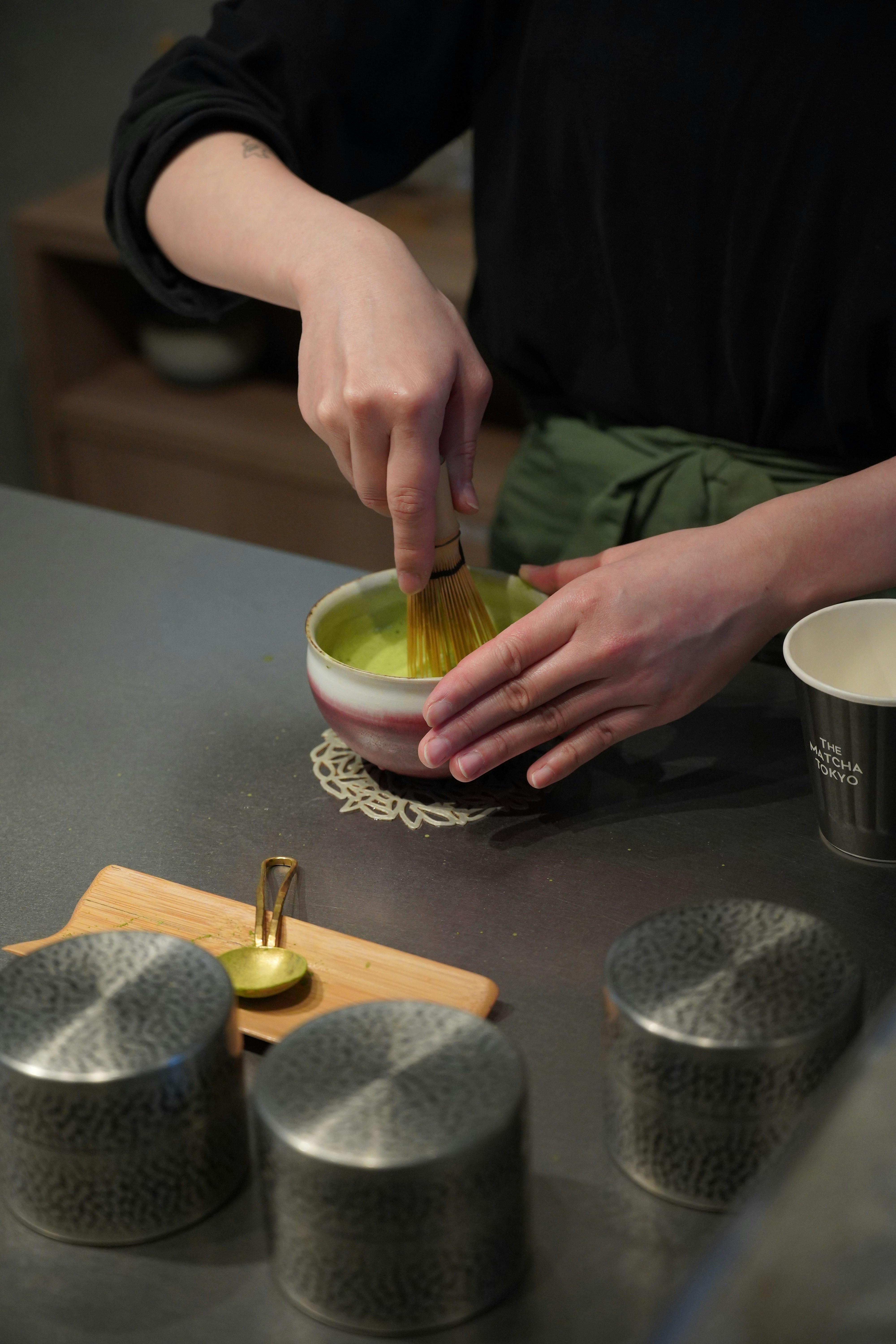
You can make matcha with nothing more than a bowl and a fork. But if you want the silky foam, the rich umami, and the meditative ritual that makes matcha special, a few well-chosen tools make all the difference.
Here is everything you need — from essential to optional — with honest recommendations on what to buy and what to skip.
The Essentials
1. The Chawan (Tea Bowl)
The chawan is wider and shallower than a typical cereal bowl, with a shape designed specifically for whisking. The broad base gives you room to move the chasen, while the curved walls help build foam.
What to look for: A bowl roughly 11 to 13 cm in diameter with a flat or slightly rounded bottom. Ceramic or stoneware retains heat better than glass. Handmade Japanese chawans are beautiful but expensive ($50 to $200). A simple ceramic bowl from a kitchen store works perfectly for beginners ($15 to $30).
Our pick: A rustic stoneware bowl with a glazed interior — easy to clean, durable, and aesthetically pleasing.
2. The Chasen (Bamboo Whisk)
This is non-negotiable. No electric frother, blender, or spoon can replicate what a chasen does. Hand-carved from a single piece of bamboo, the chasen has 80 to 120 fine prongs that aerate the matcha and break up clumps simultaneously.
What to look for: A chasen with 80 to 100 prongs is ideal for usucha (thin tea). More prongs create finer foam but are more delicate. Look for Japanese-made chasens from Nara or Takayama — these regions have been making them for centuries.
A quick note on prong count: the number carved into the whisk head isn't just a spec sheet detail — it changes the foam you get.
- 60-70 prongs: Sturdy and forgiving, but the foam is coarser. Fine for culinary-grade matcha in lattes, where you're not chasing a silky micro-foam anyway.
- 80-100 prongs: The everyday standard for usucha. Enough surface area to build a fine, stable foam without being too delicate for daily use.
- 100-120+ prongs: Produces the finest, most stable micro-foam, favored by more experienced whiskers and in competition-style whisking — but the thinner prongs are more fragile and prone to splitting if handled roughly.
If you're only buying one chasen, an 80-to-100-prong whisk is the safest all-purpose choice. Save the higher prong counts for once you've got the wrist motion down.
Care tips:
- Soak in warm water for 30 seconds before each use
- Never use soap — rinse with warm water only
- Store on a whisk stand (kusenaoshi) to maintain shape
- Replace every 6 to 12 months with regular use
Price range: $15 to $40 for a quality chasen. Avoid $5 versions — they shed prongs and break quickly.
3. The Chashaku (Bamboo Scoop)
A small bamboo scoop that measures roughly 1 gram of matcha per heaped scoop. While not strictly necessary — a teaspoon works fine — the chashaku is part of the ritual and prevents moisture transfer from metal spoons.
Price range: $8 to $20.
4. The Sifter (Furui)
Matcha clumps. Even the highest-grade powder forms tiny lumps when exposed to humidity. A fine mesh sifter breaks these up before whisking, ensuring a perfectly smooth bowl every time.
Our pick: A small stainless steel tea sifter with a handle. Matcha-specific sifters often come with a built-in scraper.
Price range: $10 to $18.
The Nice-to-Haves
5. The Whisk Stand (Kusenaoshi)
A ceramic holder that preserves the chasen's shape while drying. Without it, the prongs splay outward and the whisk loses effectiveness.
Price range: $10 to $25. Worth it if you use your chasen daily.
6. The Matcha Container (Natsume or Tin)
Once you open a tin of matcha, transferring it to a smaller, airtight container reduces air exposure. Traditional Japanese natsume are lacquered wooden containers — beautiful but unnecessary. A small opaque glass jar with a tight lid works perfectly.
7. The Thermometer
Water temperature is critical. Boiling water destroys L-theanine and pulls out bitterness. A simple digital thermometer or a temperature-controlled kettle takes the guesswork out.
Target temperature: 75 to 80 degrees C (165 to 175 degrees F).
What You Do Not Need
- Electric frothers: They create large, unstable bubbles — not the fine micro-foam of a chasen.
- Matcha "shakers": Convenient for travel, but they do not aerate properly. Fine for culinary grade in lattes, unacceptable for ceremonial.
- Expensive branded sets: Many "starter kits" charge a premium for mediocre tools. Buy individually for better quality at the same price.
Starter Toolkit Budget
| Item | Budget Option | Premium Option |
|---|---|---|
| Chawan (bowl) | $15-25 | $50-150 |
| Chasen (whisk) | $18-25 | $30-50 |
| Chashaku (scoop) | $8-12 | $15-25 |
| Sifter | $10-15 | $15-20 |
| Whisk stand | $10-15 | $20-30 |
| Total | $61-92 | $130-275 |
You do not need everything at once. Start with a chawan, chasen, and sifter. Add the rest as your practice deepens. The tools are part of the joy — but the matcha itself is what matters most.