Matcha for Immune Support: What the Evidence Actually Shows
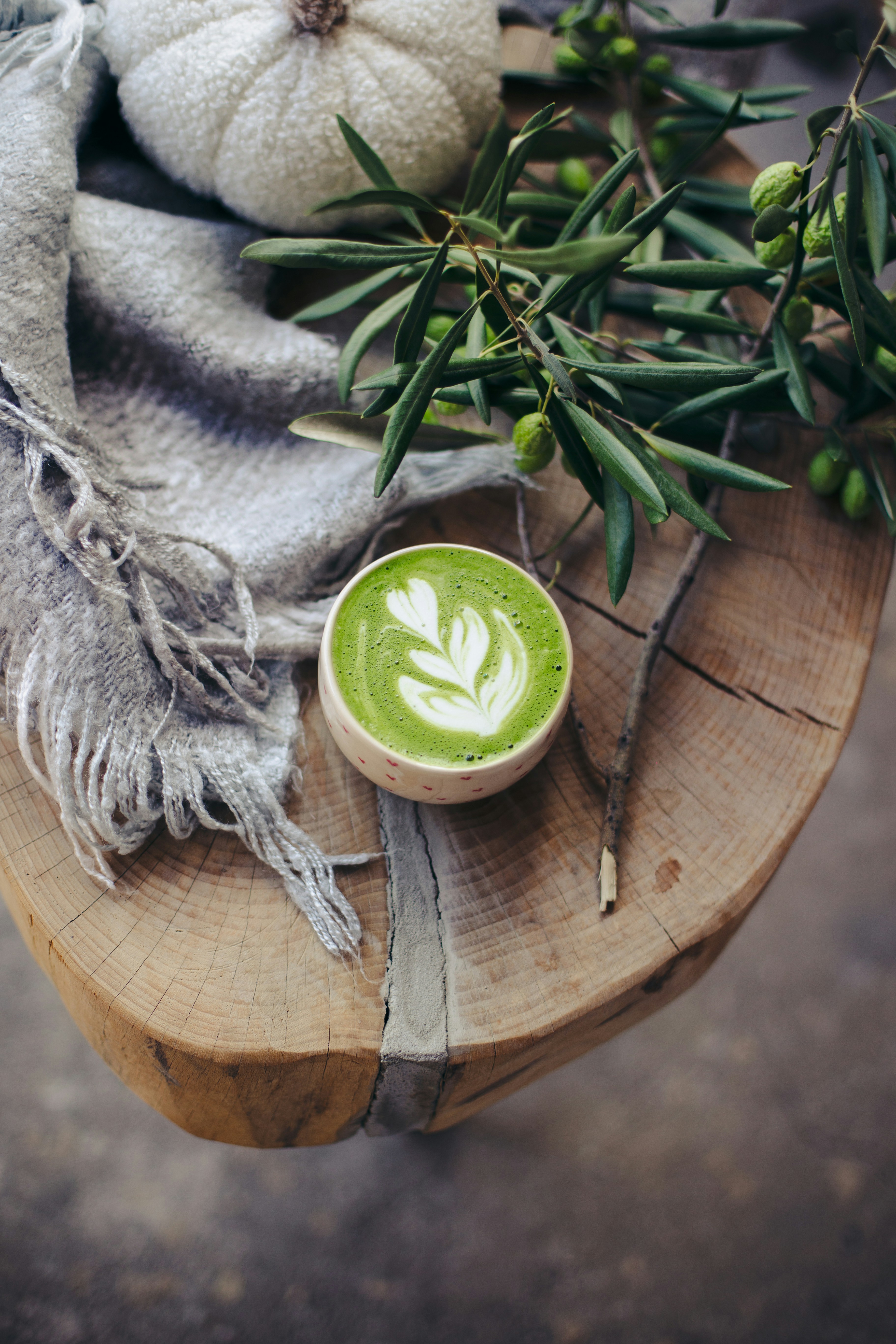
As soon as the weather turns, wellness content everywhere starts claiming this tea or that supplement "boosts immunity." Matcha gets swept into that conversation too. Here's a straight answer: matcha contains a few compounds genuinely relevant to immune function, the evidence behind them is real but preliminary, and no beverage — matcha included — prevents or cures a cold.
What's In Matcha That's Relevant to Immune Function
- L-theanine: Early research suggests this amino acid may help modulate certain immune cell activity, alongside its well-documented calming effect.
- Catechins (including EGCG): Antioxidant compounds studied for general anti-inflammatory properties.
- Vitamin C: Present in modest amounts — matcha is not a significant vitamin C source compared to citrus fruit, but it contributes some.
- Vitamins A, E, and K: Also present in small amounts as part of matcha's whole-leaf nutrient profile.
Source: Bukowski & Percival, 2008, Nutrition Reviews (preliminary findings on L-theanine and immune cell modulation)
What the Research Actually Says (and Doesn't)
It's important to be precise here. The research on L-theanine and immune cell activity is preliminary — much of it comes from cell studies, animal models, or small human trials, not large-scale clinical trials showing that drinking matcha prevents illness. The honest framing is that these compounds may support general immune function as part of an already healthy diet and lifestyle — not that matcha "boosts" or "supercharges" immunity in any dramatic, measurable sense. Treat the immune angle as a genuine bonus of drinking matcha, not the main reason to do it.
A Realistic Winter Matcha Routine
None of this requires a special protocol — just sensible habits:
- Keep your normal matcha routine consistent rather than dramatically increasing intake when you feel a cold coming on; more caffeine is not more protection.
- Stay hydrated with water alongside matcha — tea is not a substitute for plain water, especially in dry winter air.
- Pair matcha with vitamin-C-rich foods (citrus, bell peppers, berries) if you want to round out the nutritional picture.
- Keep total daily caffeine within your usual comfortable range — see our caffeine breakdown if you're unsure where you stand.
When Matcha Isn't the Right Choice
If you're already feeling unwell — fever, dehydration, disrupted sleep — prioritize water, rest, and electrolytes over any caffeinated beverage. Caffeine sensitivity is often heightened when you're sick, and good sleep does more for recovery than any single ingredient in your cup. If you experience jitteriness, a racing heart, or trouble sleeping after matcha, see our full rundown of matcha side effects.
Matcha is a reasonable, pleasant part of a winter routine — not a substitute for sleep, hydration, or seeing a doctor when you're actually sick. Enjoy it for what it is: a calm, warming ritual with a few genuinely useful nutrients attached.