Matcha and Wagashi: Traditional Japanese Sweet Pairings
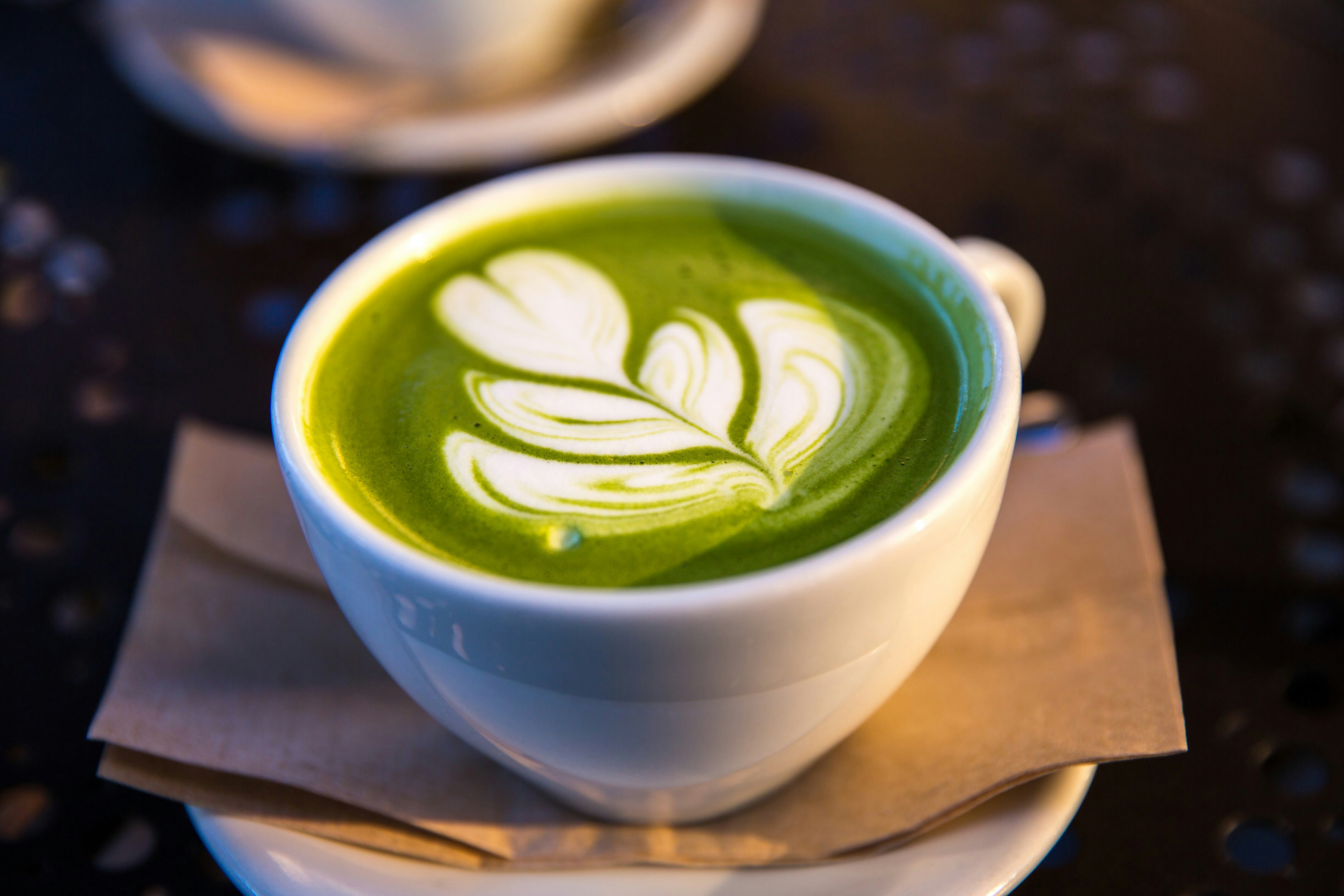
In Japanese tea ceremony, matcha is never served alone. A small sweet — wagashi — always comes first, and that's not a random tradition. It's a deliberate contrast designed to balance matcha's natural bitterness with sweetness, so the tea tastes smoother and more complex than it would on its own.
Why the Pairing Exists
The general rule: the stronger and more bitter the matcha, the richer and sweeter the wagashi that accompanies it. Sequence matters too — the sweet is eaten first, so its lingering flavor balances the bitterness of the tea that follows, rather than fighting a sweet bite against an already-bitter sip.
Namagashi (Fresh Wagashi)
Namagashi are delicate, seasonal sweets, often shaped and colored to represent the current season — a cherry blossom in spring, a maple leaf in autumn. They're soft, short-lived, and typically served with usucha (thin tea) at casual tea gatherings — exactly the style covered in our classic usucha guide.
Higashi (Dry Wagashi)
Higashi are simpler, drier, and more shelf-stable — rakugan (pressed sugar sweets) are a classic example. These are traditionally paired with koicha (thick tea), the more intense, more bitter preparation used in formal ceremonies, where a firmer, longer-lasting sweetness is needed to stand up to it.
Popular Wagashi to Pair With Matcha at Home
- Mochi / Daifuku: Soft pounded rice cake, often filled with anko (sweet red bean paste) — widely available at Japanese and Asian grocery stores.
- Dorayaki: Two small pancakes sandwiching a layer of anko — approachable and easy to find.
- Yokan: A dense, sliceable sweet bean jelly, traditionally served in small pieces alongside tea.
- Dango: Chewy rice dumplings, often served on a skewer with a light glaze.
A Simple At-Home Pairing (No Ceremony Required)
Whisk a bowl of usucha, and have one or two small sweet bites ready before you start. Eat the sweet first, let it sit for a moment, then drink the matcha — you'll notice the tea tastes rounder and less sharp than it would on an empty palate. If wagashi isn't available, the same sweet-before-bitter principle works with fresh seasonal fruit — strawberries in spring, dried persimmon in winter — as an easy substitute.
You don't need a formal tea ceremony to use this trick. Next time matcha tastes more bitter than you'd like, try a small bite of something sweet first — it's the oldest pairing rule in Japanese tea culture, and it still works.